Should You Buy the Google Pixel 10A in 2026? A Deep Dive
I've been using the Google Pixel 10A as my daily driver for the past six months, and I wanted to share a detailed, honest account of what it's like to live with this phone in 2026. I bought the 128GB model in the mid-tier color, swapped my main SIM over, installed my usual apps, and used it through a mix of workdays, travel, and weekend hobbies. What follows is a practical breakdown of the Pixel 10A's strengths and weaknesses, how it compares to nearby alternatives, and who I think should buy it (and who should look elsewhere).
Introduction — My expectations and first impressions
When I decided to pick up the Pixel 10A, my expectations were simple: a balanced mid-range phone with excellent software, solid cameras, and a battery that survives full days. I wasn't expecting flagship-level performance, but I was hoping for a phone that felt noticeably better than budget offerings without costing flagship prices.
Out of the box, the Pixel 10A felt well assembled — lighter than many flagships but not cheap-feeling. Software setup was quick: I restored my backup, migrated my apps, and was impressed by how clean and uncluttered the interface felt. The subtle Google UI polish — gestures, haptics, and system animations — is something I noticed right away and came to appreciate in daily use.
Design, build quality, and ergonomics
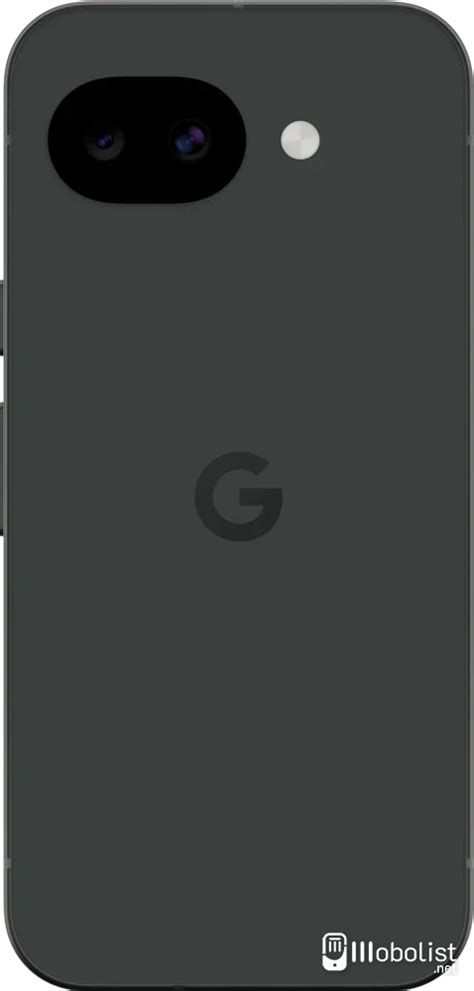
In my experience, the Pixel 10A strikes a good balance between a modern look and one-handed usability. The phone is slightly smaller and lighter than the big 6.7-inch flagships, which I appreciated when I had long calls or used it in bed. The back has a matte finish that resists fingerprints better than glossy glass, and the camera island is noticeable but not obnoxious.
One thing that bothered me early on was the plastic frame — it's durable and contributes to the lighter weight, but it doesn't have the same premium feel as metal. That said, after a few months I rarely noticed it because I had a case on most of the time. The buttons are well-placed and the in-display fingerprint sensor is fast enough for everyday unlocking, though it's not as instantaneous as the best optical sensors I've used on higher-end phones.
Display — clarity, refresh rate, and real-world use
I mainly use my phone for reading, social apps, video, and occasional gaming. The Pixel 10A's OLED display is crisp and colors look natural rather than oversaturated. I found the 90–120Hz smoothness (depending on the model/setting) makes animations and scrolling feel noticeably better than standard 60Hz devices. The peak brightness is fine for indoor use and acceptable in shade outdoors, but on very sunny days I needed to hunt for angles or step into shade to read text comfortably.
What I appreciated: text looks sharp at typical reading sizes, and the adaptive refresh rate helps conserve battery during static tasks. What I missed: the extra punch and slightly higher peak brightness you get on some higher-end OLED panels — HDR video occasionally loses a bit of “pop” in highlights compared to premium displays.
Performance and day-to-day responsiveness
In daily use the Pixel 10A felt snappy for everything I throw at a mid-range chip: web browsing, messaging, streaming, and multitasking between a few apps. I run several background syncing services, a few productivity apps, and one or two light games, and I didn't experience jarring slowdowns or long app relaunches. If you're a heavy mobile gamer or you frequently edit large video files on the phone, you'll notice the difference compared to higher-tier chips — things can warm up and frame rates can dip under sustained load.
Thermals were well-managed for my usage. The phone gets warm during long sunlight-exposed navigation and extended gaming sessions, but never uncomfortably hot. Memory management has improved compared to older Pixel "A" models: I routinely keep several apps in memory without frequent reloads.
Battery life and charging
Battery life is one of the areas where I had mixed feelings. In my usage pattern (emails and Slack during the day, music/podcasts in the morning commute, a couple of hours of streaming in the evening, and short navigation sessions), the Pixel 10A reliably lasted me through a full day and often into the next morning — roughly 1.25 days on average. If I push heavy GPS navigation and screen-on streaming all day, I need to top up in the evening.
Find top-rated Mobile Phones products at great prices.
Browse Now →Charging speeds are reasonable for the mid-range class. With a wired 30W-ish charger (I used a third-party GaN charger), I could get to about 50–60% in 30 minutes and near full in around 90 minutes. I was a bit disappointed the phone didn't ship with a faster charger in the box, but that’s become common across many lines. I used wireless charging occasionally; it's convenient at my desk but slower than wired charging.
Camera experience — real photos, not spec sheets
This is where the Pixel line traditionally shines, and the 10A largely continues that trend. Google’s computational photography makes a very real difference in everyday shots. I was surprised by how often the phone produced images that needed little to no editing straight out of the camera app.
In daylight, photos are detailed with accurate skin tones and believable color rendering. Night Sight and low-light processing remain strong: handheld night photos are usable and often better than non-computational mid-range phones with similar sensors. Portrait mode is reliable for people shots; edge detection is clean most of the time, though complex hair or busy backgrounds sometimes confuse the segmentation.
Video performance is solid for casual use, with decent stabilization for walking shots. However, if you’re a creator who needs high-bitrate 4K footage or advanced manual controls, you’ll find limits — the Pixel 10A prioritizes easy, consistent results over pro-level controls.
Software, updates, and unique features
In my experience the biggest advantage of buying a Pixel is the software. Pixel 10A comes with a very clean Android experience and includes a few Google-specific features I found genuinely useful: fast and reliable call screening, real-time transcription for voice notes, and clever Assistant integrations. The on-device AI features — like quick photo edits and smart suggestions — felt more polished compared to other phones at this price point.
Update policy is important to me. Google promises longer update windows for Pixel devices than most Android OEMs, and that matters: I value having the latest security fixes and OS improvements for several years. Over the months I used it, I received timely security patches and a couple of feature updates that refined animations and low-light processing.
Speakers, calls, and connectivity
Call quality has been reliable in my usage. The earpiece is clear and loud enough for noisy environments. The bottom-firing speaker is fine for hands-free calls and casual media consumption, but stereo separation is limited compared to phones with dedicated dual speakers — movies sound decent but not immersive. Wi‑Fi and 5G connectivity have been stable; I haven't had dropouts that I could trace to the phone itself.
What I appreciated (specifics)
- Camera consistency: Photos that look good without fiddling — especially in tricky lighting.
- Clean software experience: Useful Google features and a clutter-free UI with timely updates.
- Comfortable ergonomics: Easier to hold and use one-handed than larger flagships.
- Decent battery life: Reliable full-day endurance in my typical use, with adaptive refresh rate helping on lighter days.
- Good value: It felt like a smart pick if you want Pixel perks without flagship pricing.
What I was disappointed by (specifics)
- Build materials: Plastic frame feels less premium compared to metal, especially if you like the weight/feel of flagship phones.
- Display peak brightness: Struggles a bit in very bright sun compared to flagship OLEDs.
- Charging and accessories: No high-powered charger in-box and slower wireless charging.
- Not a gaming powerhouse: Sustained gaming sessions show thermal throttling compared to higher-end silicon.
Pros & Cons
- Pros: Reliable camera processing, clean software and long updates, comfortable size, solid battery life, great value for everyday users.
- Cons: Mid-range materials and finish, display not the brightest in direct sun, limited manual video controls, charging is adequate but not fast by flagship standards.
How the Pixel 10A compares — quick reference
| Model | Display | Chip / Performance | RAM / Storage | Battery | Camera | Starting Price (2026 context) |
|---|---|---|---|---|---|---|
| Google Pixel 10A | OLED, ~6.2", 90–120Hz | Mid-range Google-tuned silicon (Tensor-class) | 6–8GB / 128GB base | ~1+ day typical | Strong computational photos, good low-light | Mid-range price — value-focused |
| Previous Pixel "A" or Pixel 9A | Similar OLED, slightly older panel tech | Previous-gen mid-range chip | Similar memory/storage options | Comparable or slightly lower endurance | Good computational results but incremental improvements in 10A | Lower resale / discounted now |
| Popular Competitors (e.g., Galaxy A series) | Good displays, often brighter peaks | Competitive mid-range chips (Exynos/Snapdragon) | Comparable RAM/storage, often expandable | Similar or larger batteries | Strong hardware but variable software experience | Similar price tiers — look for deals |
Who should buy the Pixel 10A?
In my experience, the Pixel 10A is a great pick if you value camera quality and clean software over having the absolute best display or fastest charging. I recommend it for:
- People who take lots of photos and want consistently good results without tinkering.
- Users who prefer a smaller, lighter phone that is comfortable to use one-handed.
- Anyone who values timely Android updates and a less-cluttered OS experience.
- Shoppers on a mid-range budget who want a phone that feels like a step above the cheapest options.
Who should pass?
- Power users who need peak performance for gaming or heavy content creation.
- Photographers or videographers who require full manual camera controls and flagship hardware sensors.
- Buyers who want the absolute brightest display for outdoor use or very fast wired charging out of the box.
Buying guide — what to consider before you buy
Here are the practical things I paid attention to and recommend you check before deciding.
1. Storage and memory
I went with the 128GB model and found it comfortable for my use (photos, podcasts, some offline maps). If you store a lot of video or shoot a lot of high-quality content, consider the larger storage option or plan for cloud storage. There’s no microSD slot on many Pixel models, so choose wisely.
Discover deals on Mobile Phones — updated daily.
See Deals →2. Battery habits
Think about how you use your phone. If you’re out all day using GPS navigation and streaming, you’ll want to either carry a small power bank or plan charging breaks. For typical mixed use, I rarely worried about lasting the day.
3. Photo priorities
If you want great point-and-shoot results, the Pixel 10A is a strong choice. If you need optical zoom, pro-level RAW workflows, or ultra-wide hardware parity with flagships, check specific camera specs and sample shots before buying.
4. Carrier bands and connectivity
Make sure the phone supports the bands your carrier uses, especially if you travel internationally. I swapped SIMs between carriers and experienced no issues on the networks I used, but check regional band support if you’re outside major markets.
5. Software and update expectations
Part of the Pixel appeal is the promise of multi-year software support. Factor that into the total cost of ownership: a slightly higher initial investment can be worthwhile if the device receives security and Android version updates for longer than typical mid-range phones.
6. Case and accessories
I used a slim case most of the time — it preserved the lighter feel while protecting the back. If you care about wireless charging speed or a premium in-hand feel, plan your accessory budget accordingly.
Final thoughts — my conclusion after six months
After living with the Pixel 10A for several months, what I found was a very practical, thoughtful mid-range phone that nails the essentials. It doesn't try to be a flagship; it tries to be the best version of a mid-range Pixel, and in many day-to-day ways it succeeds. The camera and software experience are the crown jewels: they consistently make photos and daily interactions feel pleasurable and stress-free.
I was surprised by how much the clean software and steady updates improved my experience over other phones I’ve used at this price point. One thing that bothered me intermittently was the display brightness under direct sunlight and the feeling that the frame materials were a touch too plastic for my taste. These are trade-offs I can live with given the value proposition.
So, should you buy the Google Pixel 10A in 2026? In my experience, yes — if you want a well-rounded phone with excellent computational photography, a clean Android experience, and reliable software updates without paying flagship prices. If your priorities are heavy gaming, pro video capture, or the absolute brightest display and most premium materials, look at higher-tier alternatives. For most people who want a dependable, pleasant daily driver, the Pixel 10A hits the sweet spot.